By admin, on June 12th, 2013 
- Sign up for rewards programs – many banks offer rewards or money-back programs for using their credit cards. However, as with any credit card, be sure you’re able to pay yours off each month or you’ll negate the money-saving benefits. Also, keep your eyes open for hidden fees. Other rewards programs can be as simple as coffee cards, or the like, that give you free product after purchasing a set number of items.
- Take advantage of student rates – a number of companies and professional associations offer discounts for college students. For example, Amazon Student gives students six months free access to their Amazon Prime program (minus instant video streaming), and then half-price on Amazon Prime after that. Hewlett Packard and Apple offer student pricing on electronics. And Sweet Careers provides free resume and cover letter reviews for current college students and recent graduates.
- Buy used textbooks – many schools will offer the option to buy used text books, or may have formal or informal exchange programs between students. In some cases, you may even be able to go without buying one or two textbooks in a given class! Many instructors will reserve copies of the textbook in the library for their students, however you will probably have to read the book in the library. Some students have also had success getting books through interlibrary loan.
- Shop using price matching – a number of grocery and retail stores offer price-matching programs that will match the price of a product that has been advertised for less at a different store. Walmart, Target, Best Buy and J.C. Penney are a few examples. This requires some coordination on your part, but can save quite a lot of money. If you are uncertain if a store offers price-matching, make a point to ask.
- Consider buying generic items – whether medication, personal care products, or food, many name brands have generic equivalents that are significantly cheaper.
Continue reading 12 Money-Saving Tips for College Students »
By admin, on May 29th, 2013  Question: Can you explain to me what is difference between environmental health, health care administration, and health information management? Also the salary they make each year and which is the best degree are hire more? ~ Laura P. Question: Can you explain to me what is difference between environmental health, health care administration, and health information management? Also the salary they make each year and which is the best degree are hire more? ~ Laura P.
Answer: Thank you for your follow-up question to our “What is the Difference Between Healthcare Management and Healthcare Administration?” post. Here is some information about each of the occupations you asked about. You will want to do some additional research on each of these career fields as there are a number of occupational paths that can be followed in each. You will also want to make sure that your interests, skills and other personal attributes align with the path you eventually choose. (Check out our Getting to Know You series which explores various aspects of self-assessment, an important, but often neglected step of career decision making.)
Environmental Health
According to ExploreHealthCareers.org, environmental health professionals work to improve public health by identifying, tracking and addressing environmental risk factors. Most environmental health professionals specialize in a particular area, such as: Reducing air, water, soil, noise or radiation pollution; protecting our food supply; improving safety in schools, public areas and the workplace; ensuring safe living conditions in housing; promoting public health with a focus on environmental hazards. Jobs are available in government health agencies at the local, state and national levels, private industry, academic institutions, and international health agencies.
Salaries can range quite a lot, depending on the type of work that you would be doing, your educational background, credential and experience level: $44,550 – $143,700 (source)
Education options will tend to be found in the schools of Public Health within a university. For more information, see the Association of Schools of Public Health (ASPH).
Continue reading Questions Answered: What is the difference between environmental health, health care administration and health information management? »
By admin, on May 15th, 2013 
- Read a book, or ten, about subjects you haven’t had time to explore lately.
- Spend as much time as possible with family, old friends, and new ones.
- Learn everything you can from your summer internship or job. Give yourself at least 3 learning objectives at the start of the summer, then revisit your goals throughout the summer to keep yourself on track.
- Treat yourself to something fun, like a trip, new clothes, a tech gadget, or a spa day.
- Whether it’s academic or just for fun, take a class.
- It’s easy to get stuck indoors during the academic year, so during the summer, get outdoors as much as you can.
- Prepare for next year. Summer’s a great time to plan out the coming academic year.
- Learn a new skill or try out a new hobby.
- Volunteer; get involved in your local community.
- Update your resume; make sure to add any new courses, volunteering, jobs or internships.
By admin, on May 8th, 2013  Question: I’ve been an actress in adult films for the last five years. It has been my primary income while I’ve been in college. I’m about to graduate and I’ve been applying for entry level chemistry technician jobs. I am not ashamed of my work, but I’m not sure how to include this on my resume or if I even have to include it. But I don’t want it to look like I have no work experience. I put myself through school and was basically working a full time job while being a full time student. I don’t have the typical “campus” jobs to list on my resume either. What should I do? ~ Meira, Florida Question: I’ve been an actress in adult films for the last five years. It has been my primary income while I’ve been in college. I’m about to graduate and I’ve been applying for entry level chemistry technician jobs. I am not ashamed of my work, but I’m not sure how to include this on my resume or if I even have to include it. But I don’t want it to look like I have no work experience. I put myself through school and was basically working a full time job while being a full time student. I don’t have the typical “campus” jobs to list on my resume either. What should I do? ~ Meira, Florida
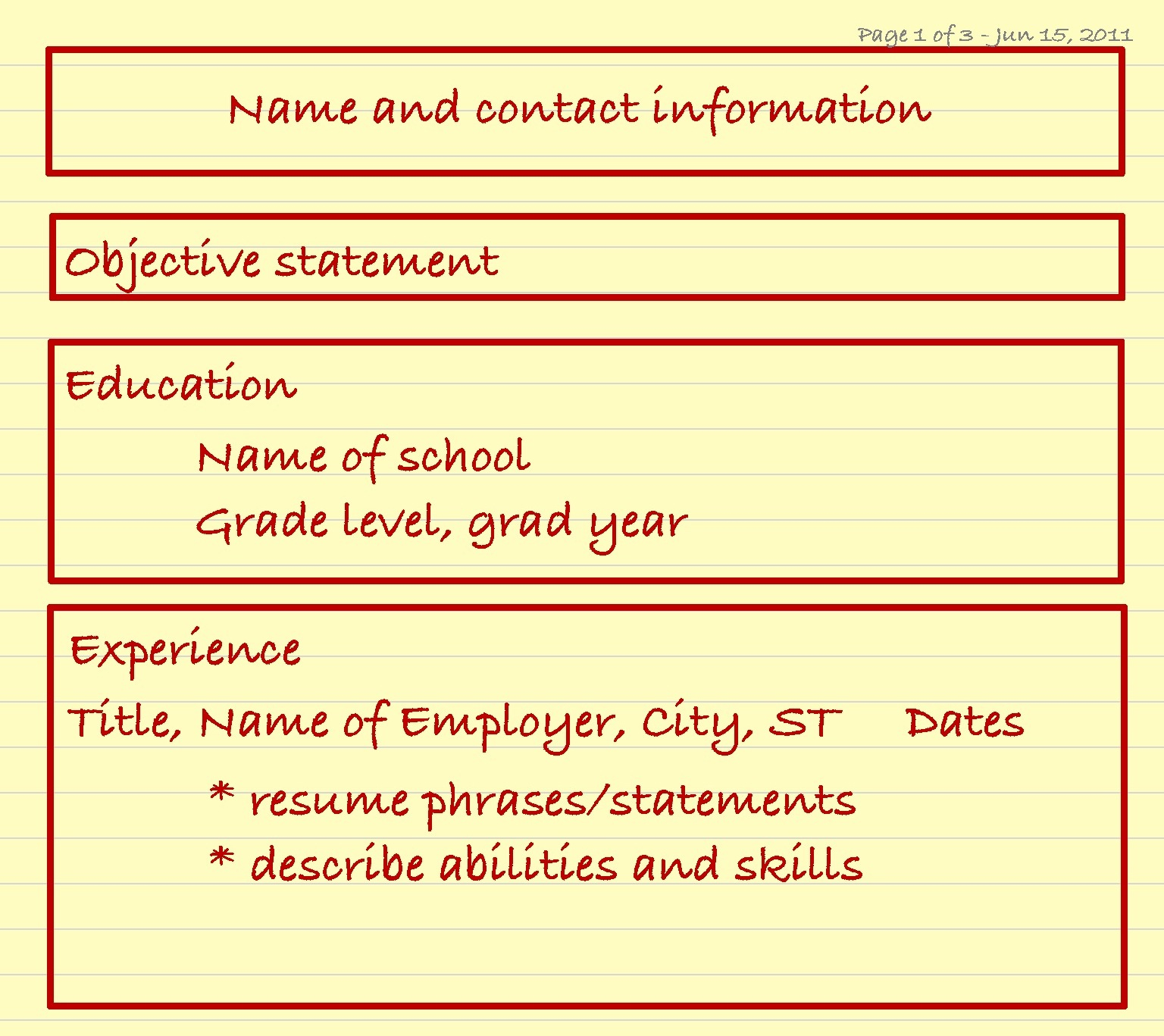
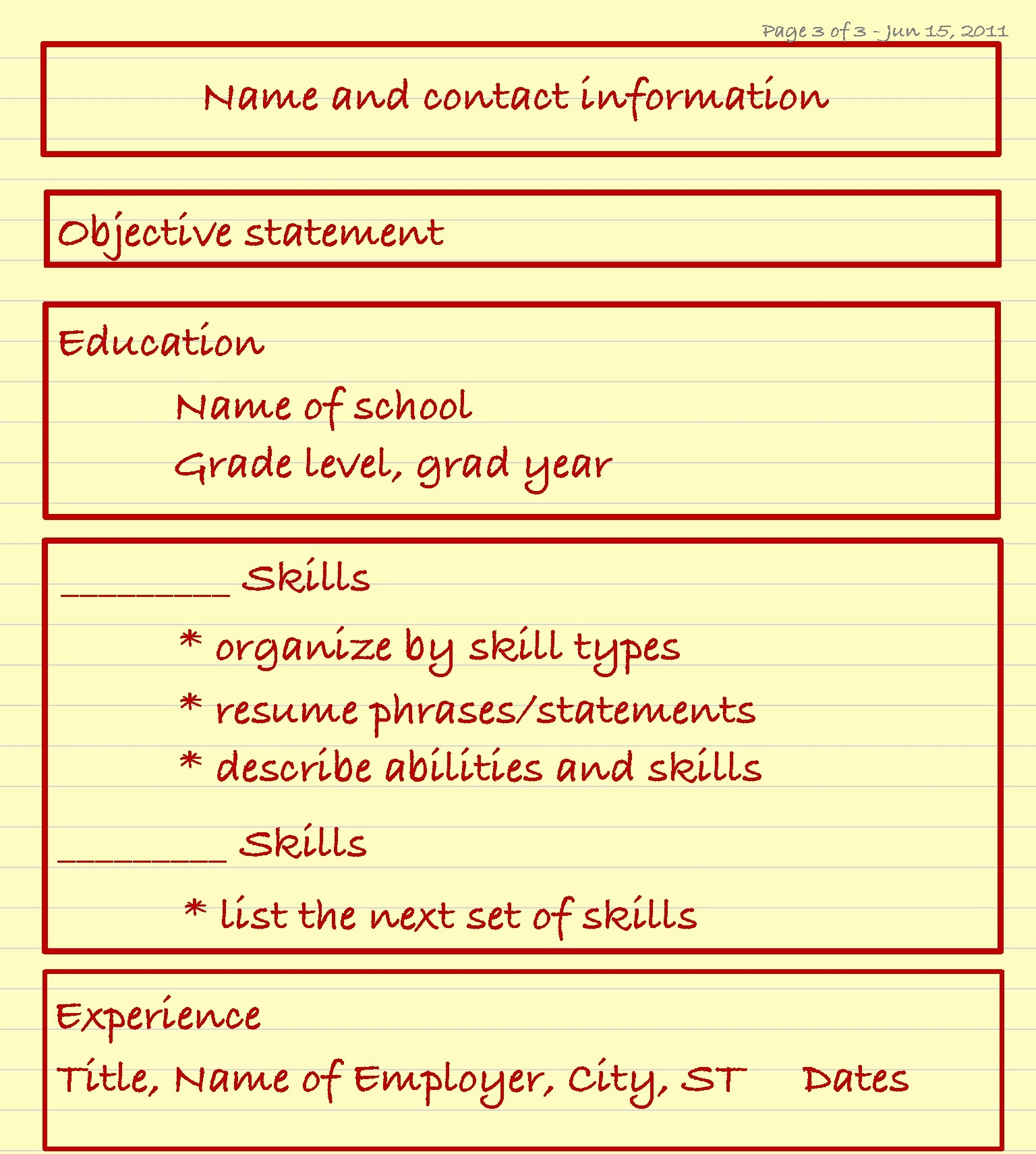
Answer: This is an important question! The basic rule of thumb for writing a resume is to only include experience that is related and relevant to the positions to which you are now applying. Although the chronological resume format, (one that lists your related work experience in reverse chronological order), is most popular, it is not always the most effective for every job seeker. Especially for college students, recent college graduates, and people who are changing career fields, who have limited related work experience, a combination format resume, (which is based on skill set), may make the most sense – at least until you have that first related job under your belt.
Continue reading Questions Answered: Should I include “adult entertainer” on my resume? »
|
A sample text widget
Etiam pulvinar consectetur dolor sed malesuada. Ut convallis
euismod dolor nec pretium. Nunc ut tristique massa.
Nam sodales mi vitae dolor ullamcorper et vulputate enim accumsan.
Morbi orci magna, tincidunt vitae molestie nec, molestie at mi. Nulla nulla lorem,
suscipit in posuere in, interdum non magna.
|
|